Now Welcoming New Patients

Dental Implants vs Bridges: Restoring Smiles in North Vancouver

Replacing Missing Teeth: How Implants and Bridges Fit Into Modern Dental Care
Losing a tooth can impact far more than just your smile. It often affects your ability to chew, the alignment of your remaining teeth, your speech, and even your self-esteem. For families and individuals in North Vancouver, addressing missing teeth is a key part of comprehensive dental care. Restorative dentistry offers several solutions, with dental implants and traditional bridges standing out as two of the most trusted methods.
Restorative dental care goes beyond simple aesthetics. When a tooth is lost—whether due to injury, extensive decay, gum disease, or congenital absence—the gap can cause neighboring teeth to shift. This shifting can lead to bite problems, bone loss in the jaw, and further oral health complications. The right replacement maintains the balance of your bite and helps preserve your oral health over the long term.
Dental implants and bridges have become the gold standard for tooth replacement in modern dentistry. Each plays a crucial role, depending on the specific needs of the patient. These options are supported by advanced technologies found in North Vancouver’s leading dental clinics, where experienced dentists use digital imaging, computer-guided surgery, and customized treatment plans to restore function and confidence.
For children, teens, adults, and patients with special needs, restorative dentistry may also intersect with other treatments—such as pediatric dentistry, endodontics (root canals), or cosmetic procedures like teeth whitening. Ultimately, the goal is to provide a healthy, functional, and attractive smile that supports overall wellbeing. Understanding how implants and bridges work sets the foundation for making an informed decision about your dental care journey.
How Dental Implants and Traditional Bridges Work (And When Each Is Used)
Dental implants and traditional bridges are both designed to fill the gap left by a missing tooth, but their methods—and ideal use cases—differ considerably.
A dental implant is a small, biocompatible titanium post that is surgically anchored into the jawbone. Over time, your bone fuses with this post through a natural process called osseointegration, creating a stable foundation much like the root of a natural tooth. Once healed, a custom-made crown is attached to the implant, blending seamlessly with your existing teeth in both function and appearance. Because implants mimic the entire structure of a tooth from root to crown, they provide outstanding stability and durability.
Traditional dental bridges, on the other hand, are a non-surgical solution. They consist of an artificial tooth (called a pontic) flanked by dental crowns. These crowns are cemented onto the healthy teeth adjacent to the gap. The bridge literally ‘bridges’ the space, restoring chewing ability and aesthetics. Bridges have long been used as a reliable and effective way to replace a single tooth or several consecutive teeth without the need for surgery.
The choice between these options often depends on several factors. Dentists may recommend implants when there is adequate jawbone to support the post and when patients are healthy enough for oral surgery. Bridges can be ideal when the patient prefers a faster, non-surgical solution, or when the jawbone is insufficient for an implant and bone augmentation is not desired.
Understanding the mechanics behind these treatments helps patients appreciate the benefits and potential limitations of each. The next step is to compare how they stack up in terms of longevity, cost, comfort, and daily life.
Comparing Implants and Bridges: Longevity, Cost, Comfort, and Daily Life
When deciding between dental implants and bridges, understanding the real-world differences in everyday life is essential. Let’s break down the key considerations:
Longevity: Dental implants have a proven track record for lasting decades, often a lifetime with diligent care. The implant’s titanium post integrates with your jawbone, creating a permanent anchor for your new tooth. In contrast, bridges typically need replacement every 10 to 15 years. Wear, decay in supporting teeth, or gum recession can shorten a bridge’s lifespan, leading to additional dental visits and costs over time.
Cost: The initial investment for a dental implant is usually higher than that of a bridge. However, bridges often incur more frequent replacement and maintenance costs, making implants potentially more economical in the long run. When evaluating restorative dentistry options, it helps to compare not just the upfront price, but also the total costs over your lifetime.
Daily Life and Comfort: Implants allow you to enjoy nearly all your favorite foods without worry, thanks to their stability and strength. Oral hygiene is straightforward—simply brush and floss as you would with natural teeth. Bridges, meanwhile, may require you to avoid especially hard or sticky foods to prevent damage. Cleaning under the pontic (the artificial tooth) requires special flossing tools or devices to prevent decay and gum issues around the supporting teeth.
Impact on Adjacent Teeth: A dental implant is entirely independent, meaning it does not rely on or alter neighboring teeth. In contrast, traditional bridges require the two adjacent healthy teeth to be shaped and covered with crowns to support the bridge. This process is irreversible and may increase the risk of future dental issues in those supporting teeth.
For patients in North Vancouver considering their options, these practical differences can have a significant effect on satisfaction, convenience, and long-term dental health.
Health, Technology, and Candidacy: Are Dental Implants or Bridges Right for You?
Not every patient is an immediate candidate for a dental implant or a bridge—individual health circumstances and technological advancements play a major role in determining suitability.
Dental implants are generally best for those in good overall health with sufficient jawbone to support an implant. If bone loss has occurred, bone grafting may be necessary before an implant can be placed. Implants are especially beneficial because they stimulate the jawbone much like natural teeth roots, helping to maintain both bone density and facial structure over time. This reduces the risk of the bone shrinking away, which can change facial appearance and complicate future dental treatments.
Bridges are often recommended when the patient prefers to avoid surgery, has significant bone loss that cannot or should not be addressed with augmentation, or needs a faster solution. However, while bridges restore chewing and aesthetics, they do not prevent bone loss beneath the missing tooth, and preparing the adjacent teeth for crowns can, over time, make them more vulnerable to decay or fracture.
Modern dental care in North Vancouver employs advanced technology such as 3D imaging, digital scanning, and computer-guided planning for both implants and bridges. These tools not only increase the accuracy and predictability of your treatment, but they also allow you to visualize outcomes before treatment begins—helping you make a more informed decision about your restorative dentistry plan.
A thorough consultation with a dentist includes evaluating your oral and general health, jawbone condition, lifestyle, and personal preferences. This personalized assessment ensures that you receive recommendations tailored to your unique needs—whether that’s an implant, a bridge, or another solution entirely.
Planning Your Next Step: What to Expect at a Restorative Dentistry Consultation in North Vancouver
Embarking on restorative dental treatment can feel like a big step, but a structured consultation process in North Vancouver helps ensure clarity and confidence.
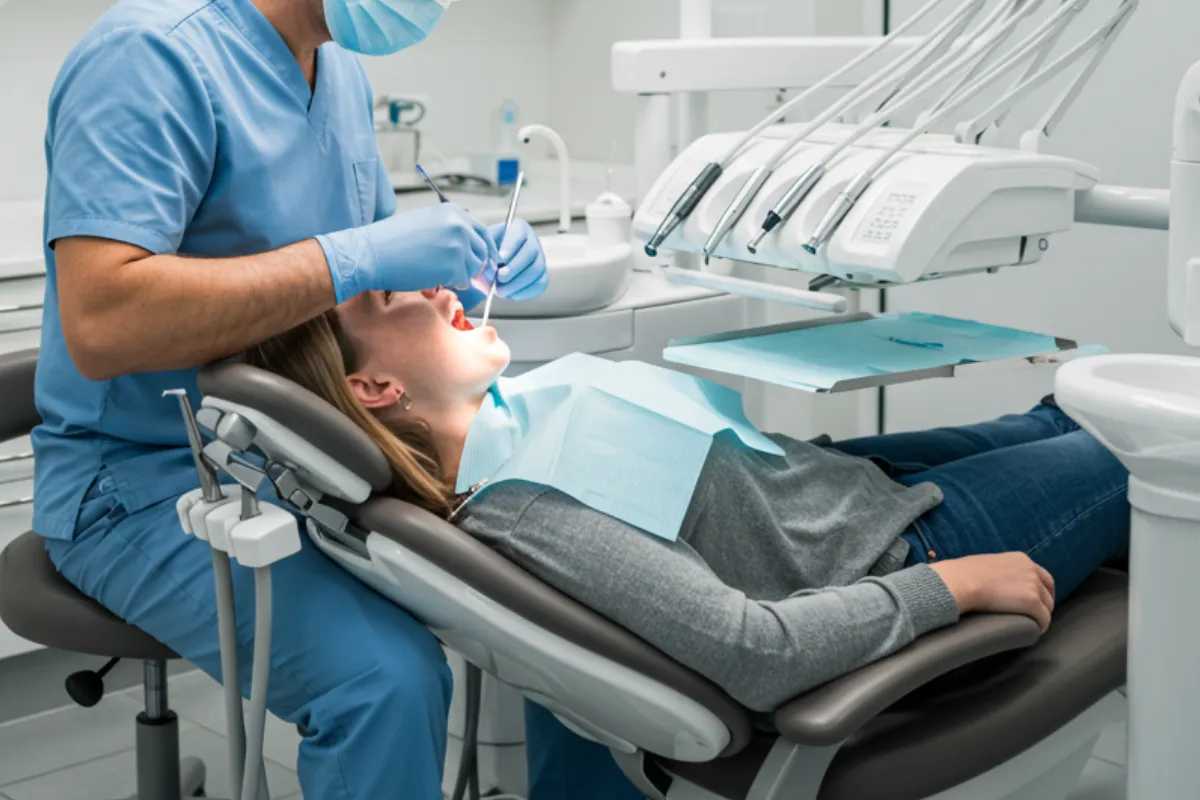
Your journey typically begins with a thorough oral health evaluation. Dentists assess the health of your gums, the status of your remaining teeth, and the quantity and quality of your jawbone. Digital X-rays and 3D scans are often used to provide a comprehensive view of your dental structures—crucial for planning either implants or bridges.
Next, your dentist will discuss your personal goals: Are you looking for a long-term solution? Is a quicker fix more important? Are you comfortable with minor oral surgeries? Are there dietary or lifestyle factors to consider—such as a busy family schedule or specific health needs?
Once your priorities are clear, the dentist will compare the advantages and limitations of dental implants and bridges in your particular case. Thanks to digital planning and computer-guided technology, you may be able to preview your treatment outcomes virtually—helping you visualize the end result before making a commitment.
A personalized treatment plan will outline the recommended approach, estimated timeline, costs, and possible financing options. This is your time to ask questions—about the procedures, aftercare, durability, or anything else important to you and your family.
Choosing between dental implants and traditional bridges is about more than just replacing a tooth; it’s about restoring comfort, health, and confidence for years to come. The right North Vancouver dentist will guide you every step of the way, ensuring your restorative journey fits your unique needs and aspirations.